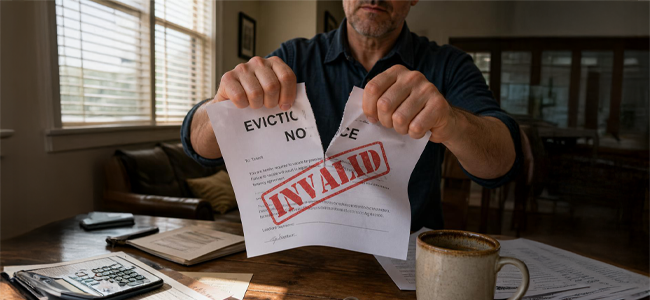
“A man’s home is his castle.” (Sir Edward Coke, English common law ruling, 1604)
Of course, what we all want to hear at the end of our house-selling journey is something like this: “Congratulations! You sold for a good price, the buyer’s taken transfer and you’ve been paid the purchase price. Time to pop the bubbly!”.
Having your sale go this smoothly is about a lot more than just finding the right buyer at the right price. It’s also about navigating a complex legal process to ensure a smooth and timely transfer of ownership.
A critical part of this journey is choosing a conveyancer (“transferring attorney”) to handle the transfer for you. Many sellers don’t realise that this choice is theirs to make – but it is. So don’t listen to anyone who tells you otherwise!
Why do you need a conveyancer in the first place?
Conveyancers are the specially qualified attorneys who oversee all the administrative, legal and financial steps required to transfer property ownership from sellers to buyers in the Deeds Office. They ensure that everything is done correctly, that the terms of the sale agreement are complied with, and – most importantly from your point of view as seller – that you get paid.
Why does the seller get to choose?
While there’s nothing in law to stop you from agreeing otherwise, there are good reasons why you should never give up your right to choose your own attorney:
- You carry more risk, so you call the tune! As the seller, it’s your valuable asset at stake, and it’s you who is legally responsible for transferring ownership correctly and on time. So, even though it is invariably the buyer who has to pay the conveyancer’s fees and other transfer costs, it’s usually accepted that it’s you as seller who appoints the conveyancer. The idea that “he who pays the piper calls the tune” doesn’t apply here!
- You need to protect your investment: A buyer-appointed conveyancer (although obliged to act professionally towards both parties) may not be as focused on protecting your financial interests as your own attorneys will be – and that’s a risk worth avoiding.
- You should control the process: Having your own conveyancer means you have someone ensuring the sale progresses smoothly and with minimal delay. If, for example, a buyer starts hedging for more time to pay a deposit or to obtain a bond, you need someone in your corner to act quickly and firmly to protect your interests.
How should you choose and appoint the conveyancer?
When choosing a conveyancer, here are some factors to consider:
- Experience and proactivity: Experienced conveyancers can spot potential delays or issues early and take steps to resolve them. They know how to handle red tape and to meet necessary requirements promptly.
- Clear communication: You want to receive regular updates so that you always know the current status of your sale. Consistent communication can save time, reduce confusion, and give you peace of mind throughout the process.
- Attention to detail: Property transfers are legal transactions with many requirements, and even a small mistake can cause delays, disputes or losses. You want someone who will be meticulous with documentation and red-tape, ensuring compliance and accuracy.
- Strong protections against cybercrime: Email scams and cyberattacks targeting financial transactions are on the rise. Property transactions are at particular risk, so make sure your attorneys have secure systems in place to protect your information and your funds.
The formal appointment is made in the sale agreement (often initially titled “Offer to Purchase”). Pay particular attention to the clause specifying which firm of attorneys is to be appointed. As we suggest below, sign nothing until we’ve checked the document for you, together with all the other terms and conditions.
When should you bring us into the picture?
It’s never too early! Ideally call us when you first decide to sell so that we can guide you through everything from the initial steps of finding a buyer, right through to signing the sale agreement and then navigating the transfer process.
It’s particularly important that you have us review any offer to purchase you are given before you sign it. We’ll ensure that it’s legally sound and fair to you, and we’ll help you understand any unique terms or special conditions included in the sale agreement.
Disclaimer: The information provided herein should not be used or relied on as professional advice. No liability can be accepted for any errors or omissions nor for any loss or damage arising from reliance upon any information herein. Always contact us for specific and detailed advice.
© LawDotNews