“Knowledge is power” (old proverb)
Whether you are buying or selling property, remember that it is too late to ask questions after you sign the Deed of Sale (often called a “Sale Agreement” or “Offer to Purchase”).
“Knowledge is power” rings particularly true when it comes to any form of process with significant legal consequences, so here are some of the important questions you should ask upfront, before you commit to anything –
- What do all the terms and conditions (particularly the legal-speak bits) in the Deed of Sale mean in practice?
- Are my rights adequately protected and my risks minimised by the terms and conditions?
- What costs will I have to pay, and when?
- Is there anything in the Title Deed or local municipal laws and zoning restrictions that may impact me (as a buyer)?
- Do I (as buyer) have a copy of the plans, and have all extensions and alterations been authorised by the local authority?
- What defects have been disclosed in the Mandatory Disclosure Form, is a home inspection report worthwhile (and permitted by the deed of sale), what is the legal position around voetstoots clauses and patent and latent defects, and does the Consumer Protection Act apply to this sale?
- As a buyer, have I checked for practical issues like local fibre availability, crime levels, security, school feeder zones, fixtures and fittings to remain, work-from-home practicality, buy-to-let possibilities etc?
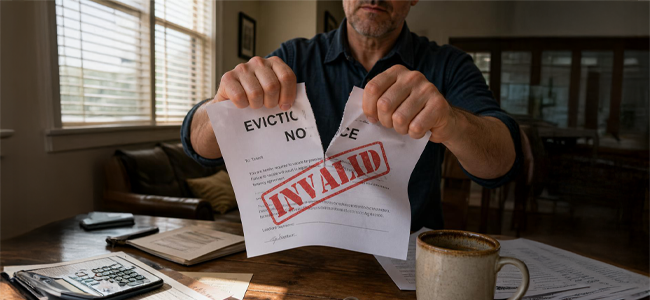
- Are there tenants (or other occupants) in the property, and if so what is their status and what does the deed of sale say about when they will vacate?
- When does the buyer take possession and occupation? (Careful here, possession and occupation are two different concepts in law)
- What arrangements have been made for date of transfer and payment of occupational interest, rates and taxes, levies, municipal service charges and the like?
- In a residential complex: As a buyer, what Rules and Regulations will I be bound to, is there a danger of a special levy being levied, and do the latest financial statements for the Body Corporate or Homeowners Association show a healthy financial situation?
- Have I as seller appointed my choice of conveyancer (transferring attorney)?
A final but vital thought here – whether you are buying or selling property, a lot of your money will be at stake here. Get professional advice before committing yourself to anything!
Disclaimer: The information provided herein should not be used or relied on as professional advice. No liability can be accepted for any errors or omissions nor for any loss or damage arising from reliance upon any information herein. Always contact your professional adviser for specific and detailed advice.
© LawDotNews